Month after month, AI has made its way into the lives of businesses and transformed their daily operations. But what about human relationships, and more specifically, customer relationships? Beyond the huge promises and attractive statistics, how is this actually playing out on the ground?
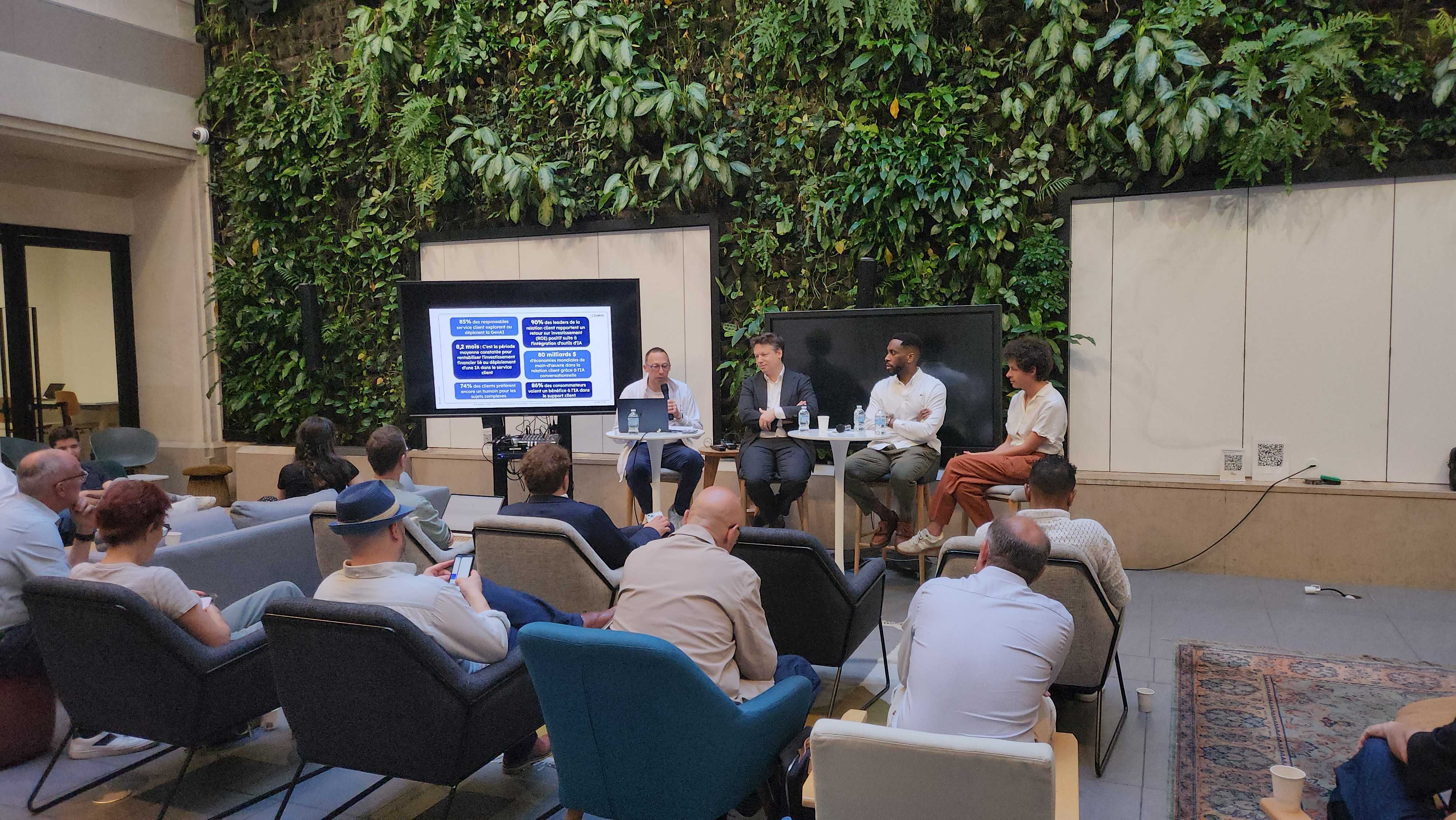
Valentin Drouet, our Head of Customer Success; Eleazar Baptiste, Head of App Management (RingOver); and Michaël Pudlowski, Digital & Customer Partner (KPMG), explored this topic during a roundtable discussion at our latest AI Breakfast.
Moving Beyond the traditional Chatbot stereotype
When we talk about AI in customer relations, we quickly picture the famous “front-office” chatbot that customers interact with to ask questions.
But what if the most powerful transformation were taking place “back office” with the sales and “customer success” teams?
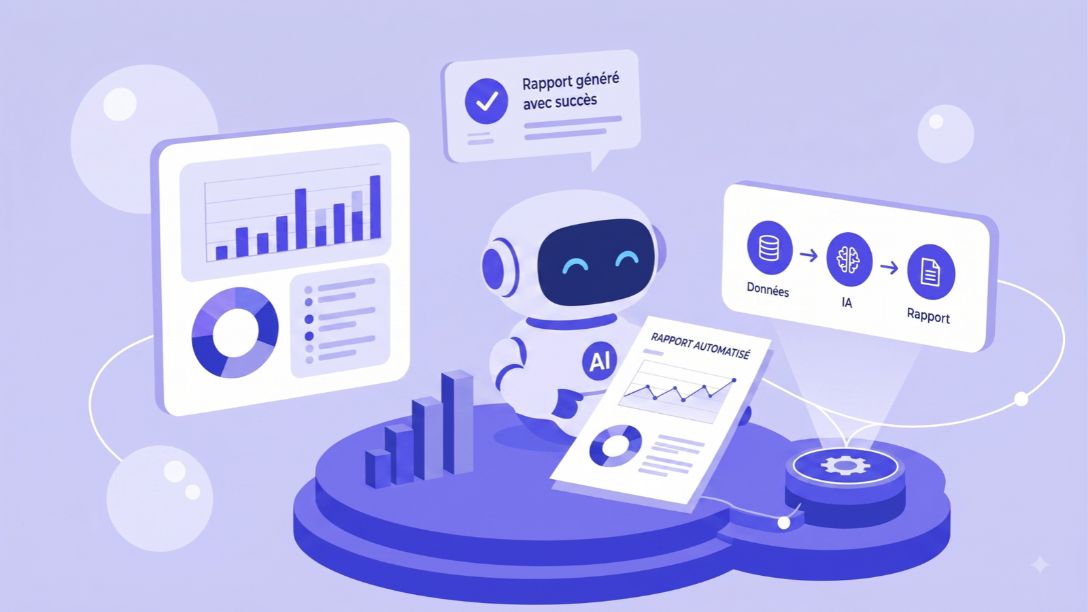
In fact, conversational analytics (that is, AI that listens to, transcribes, and is capable of understanding customer calls) is becoming the norm.
In practice: automatic CRM data entry fills out customer records after the call; real-time insights prompt agents with the right responses to objections; and call libraries are used to train new hires on real-world scenarios.
The result: teams spend less time typing and more time building relationships.
An example cited by Michaël Pudlowski illustrates this impact: a small online broker previously employed 10 people to monitor calls (as required by the duty to advise in the insurance industry). With AI, the company now monitors 100% of calls instead of 30%, and has redeployed its 10 FTEs to higher-value-added tasks.
A customer turned expert
Surely one of the biggest impacts of AI on customer relations: the customer walks into a branch with a ChatGPT conversation open in another tab. They know (or think they know) their policy better than the advisor. In insurance or banking, this makes things complicated.
Added to this are security and integration challenges for companies, which sometimes end up with “in-house” AI solutions that are inferior to the consumer-grade tools available to the customer, leaving the door wide open to shadow AI.
AI: A Technology Rejected by the Public ?
One might think that customers are determined to speak with a human advisor, don’t trust AI agents, or that using this technology could tarnish the company’s reputation.
In reality, public opinion appears to be much less black-and-white than one might imagine.
A recent KPMG customer experience study reveals that what customers want above all else is efficiency, an agent when they need one, reimbursement as quickly as possible, and prompt responses…
Four out of five customers accept chatbots for simple needs, as long as the response is fast and consistent. As soon as the issue becomes more complex or critical (telecom outage, insurance claim), customers want a human. AI doesn’t replace agents; it redefines their scope of work.
In fact, it’s simply a means of meeting a growing need for immediacy.
Welcome to the B2A2C
This is undoubtedly one of the most impressive transformations of the coming years.
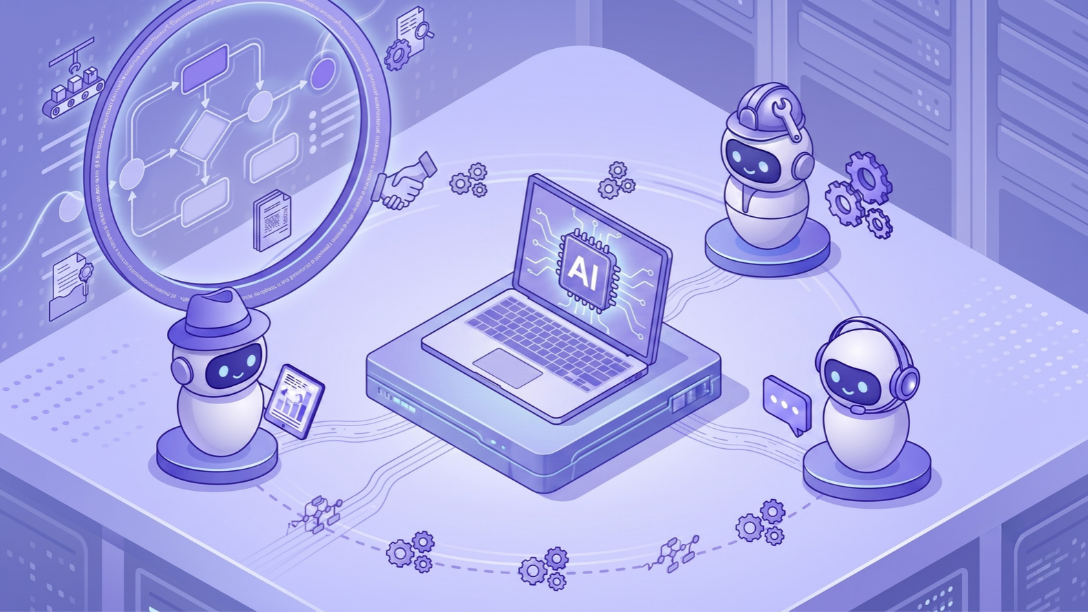
Four types of agents now coexist:
- those deployed by the company
- general-purpose agents like ChatGPT
- browser-integrated agents (Comet, Holo) that delegate actions
- business-generating agents (Mastercard, Amex, and — in the future — influencers)
What sets the last two types of agents apart is that they no longer simply provide information : they take action on your behalf. They browse, filter, purchase, dispute, and request refunds. The customer makes the purchase in the end, but they’re no longer the one clicking. This is known as “Business to Agent to Client.”
Within three years, 15 to 30% of customer journeys could go through these agents.
Traditional KPIs (time spent on the site, conversion rates, page views, and so on ) will gradually lose their meaning.
The main pitfalls to avoid for a successful project
Today, there is no lack of examples of successful use cases and the great potential of AI, so it’s tempting to get started as quickly as possible, but be careful not to confuse progress with haste… Our three panelists were therefore able to discuss the main pitfalls to avoid:
- Confusing efficiency with vision. Most companies launch AI projects by saying, “We’re going to save time.” That’s not a vision. It’s a consequence. Michaël Pudlowski cites MAIF, which spent several months co-drafting a charter with its labor unions before launching anything. This preliminary work then enabled a much faster rollout.
- Forgetting that people are still “big kids.” RingOver experienced this firsthand: imposing a new tool by decree creates resistance. Explaining what the tool frees users from (hated tasks, typing after the call, manual summaries, etc.) breaks down all resistance. Education isn’t an “afterthought” it’s an absolute prerequisite for the successful implementation of the project.
- Blurring the line between humans and AI. Our three speakers were in agreement on the need for total transparency. The customer must know who they’re talking to and have a choice. Beyond ethics, it’s also a matter of practicality: European regulations will mandate this in the coming years, and a “GDPR moment” involving conversational AI would be very costly.
- Stop thinking of AI as just a tool. This represents a paradigm shift in how humans and machines divide up the work in a conversation. Those who treat it as a transformation project (not just a license purchase) will be three years ahead of the curve.
Final Thoughts: Recommendations from each of our speakers
- Michaël Pudlowski (KPMG): “Define your North Star. A true long-term vision from 12 to 18 months is a broad timeframe in AI, and take control of your data. Without it, there will be no AI.”
- Eleazar Baptiste (RingOver): “Define the ‘why’ before the ‘how.’ Don’t follow trends; look for where the real gains lie, and keep the customer experience (both internal and external) at the heart of the project.”
- Valentin Drouet (Craft AI): “Ask questions; understand the technology. Blind trust in AI marketed as a magical black box is the worst possible way to get started with AI.”
If you would like to improve the efficiency of your customer service, contact our experts.
And to make sure you don’t miss any of our news, follow us on LinkedIn !