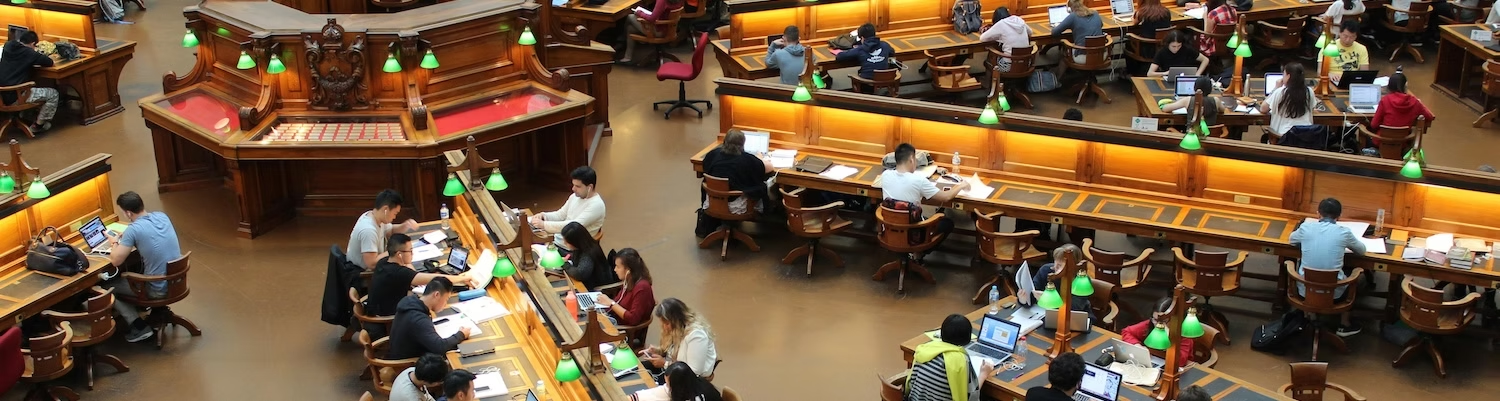
AI also plays a crucial role in optimizing the allocation of educational resources, including the management of teachers and facilities. Using optimization algorithms, institutions can create more effective schedules by considering teacher availability, class size, and specific curriculum needs.
This optimization maximizes the use of available resources, prevents scheduling conflicts, and ensures an equitable distribution of courses. For example, AI systems can analyze student enrollment data and adjust timetables accordingly, ensuring that popular classes aren't overcrowded while maintaining a balanced course offering.
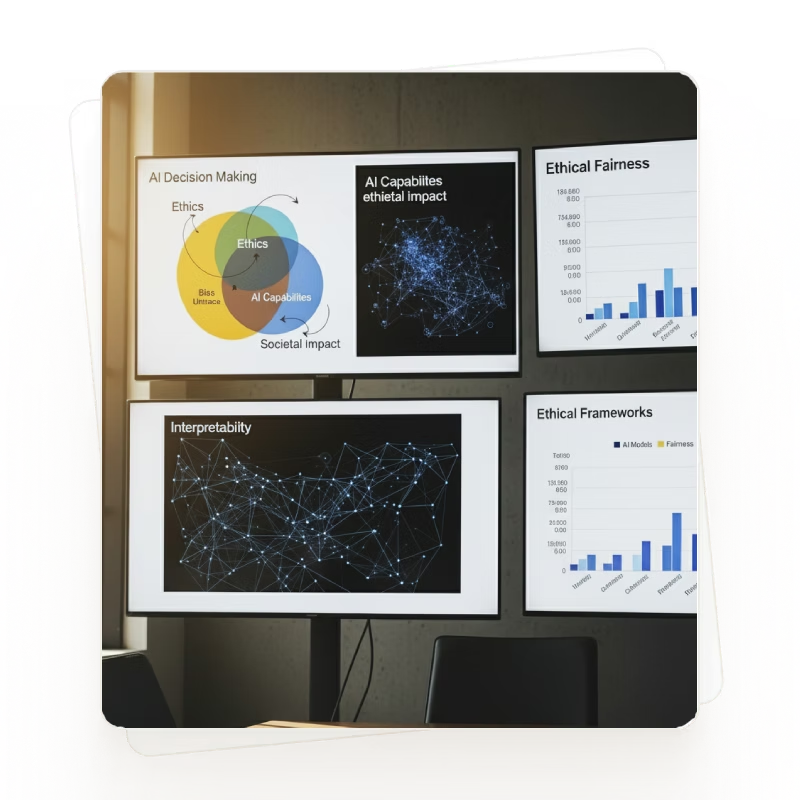
AI systems can also adapt to unexpected events, such as teacher absences, ensuring uninterrupted continuity for students. By optimizing the management of infrastructure, these technologies also help reduce operational costs, allowing institutions to reinvest in improving the quality of teaching and services offered to students. It is essential to offer AI solutions that are reliable, transparent, and respectful of student privacy. Institutions must ensure that the technologies used guarantee the security of personal data and provide objective results. By ensuring transparency in algorithms and decision-making processes, schools can build trust with both students and teachers in these new technologies.







.avif)






.png)