Trusted AI
·
October 13, 2026
Which ROI-focused AI should you choose for your business in 2026
How much does it cost to implement internal AI? Find out in our latest article!

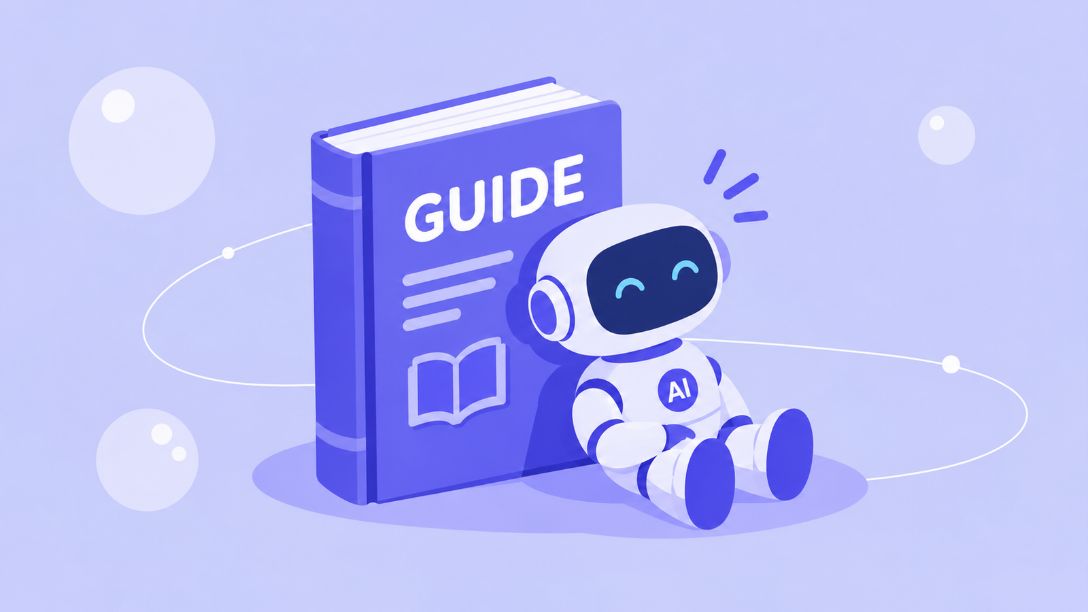
Has your company just launched its own AI agent, or are you planning to? Check out our guide to easily mastering this new technology and turning it into your new productivity powerhouse!


Artificial intelligence is no longer a futuristic promise; it is an unavoidable economic reality. Since its massive democratization three years ago, nearly one in two French people already uses AI tools on a daily basis. For comparison, it took the Internet nearly five years to reach such a level of adoption. Yet, faced with this acceleration, many leaders and employees feel lost. How can you take the leap effectively? How can you avoid the pitfalls?
This is the dark side of digital transformation: 80% of AI agents developed within companies fail and never move beyond the POC (Proof of Concept) stage. While the technology may work from a technical standpoint, the bottleneck is almost always human or organizational.
As explained earlier, many AI projects will not scale, not because of technical shortcomings, but because of human factors:
What is RAG in AI?
RAG (Retrieval-Augmented Generation) allows an AI to draw on a specific knowledge base provided by the company to generate reliable, contextualized, and up-to-date responses.
Will AI replace employees?
No. The primary role of AI is to free teams from tedious and repetitive tasks. Humans remain essential for supervising results, detecting errors (hallucinations), and exercising judgment.
What is the best way to foster AI literacy among my teams?
Many tools exist to help your employees master AI: training courses, books, videos... And today, our experts share all their tips for successfully starting with AI in the workplace in our latest white paper!